
What is decarboxylation and how important is it for CBD?
In this article you will find out what cannabis decarboxylation is, and how important it is for CBD. We will also tell you how decarboxylation works, and why it is advisable to consume decarboxylated CBD.
While we often hear about the properties and benefits of CBD, not many know what decarboxylation means. However, as the consumption of CBD has increased in recent years, it is important to be clear on what the process is all about.
Mostrando 1–8 de 170 resultadosOrdenado por precio: bajo a alto
-

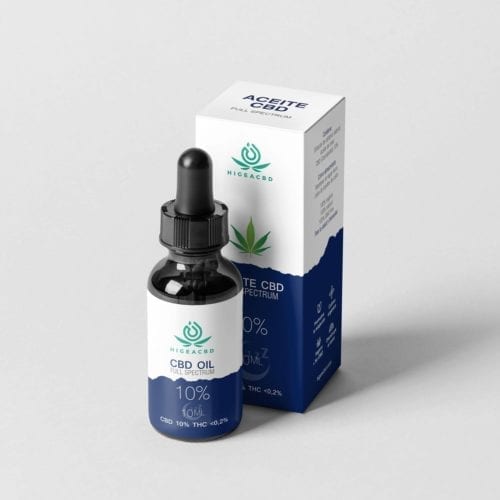
Aceite CBD 10%
24,95€ Añadir al carrito -
Aceite Higea CBD 10%
24,95€ Añadir al carrito -
Aceite CBD 10%
24,95€ Añadir al carrito -
Aceite CBD 10%
24,95€ Añadir al carrito -
Aceite Higea CBD 10%
24,95€ Añadir al carrito -
Aceite CBD 10%
24,95€ Añadir al carrito -
Aceite Higea CBD 10%
24,95€ Añadir al carrito -
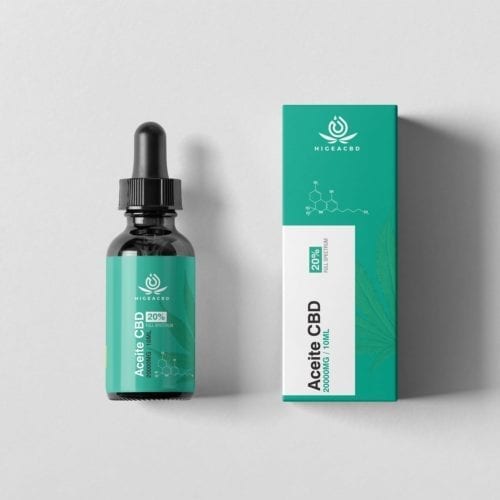
Hygea huile CBD 20%.
44,95€ Añadir al carrito
What is cannabis decarboxylation and how does it work?
Decarboxylation of cannabis is essential for the psychoactive compounds present in cannabis and hemp plants to be activated. In the case of smokable plant material, decarboxylation occurs naturally as a result of the heat produced by fire. Consumables, tinctures and ointments, on the other hand, go through a more comprehensive phase that begins earlier in the manufacturing process.
Generally speaking, decarboxylation is the method of heating cannabis and hemp buds, trimmings, leaves or kief to activate the cannabinoids they contain.
By using the active ingredients of cannabis, decarboxylation allows users to feel the unusual and intoxicating impact of the plant. Decarbonization methods mainly target cannabinoid acids, also known as inactive cannabinoids, which are present in the trichomes of the plant.
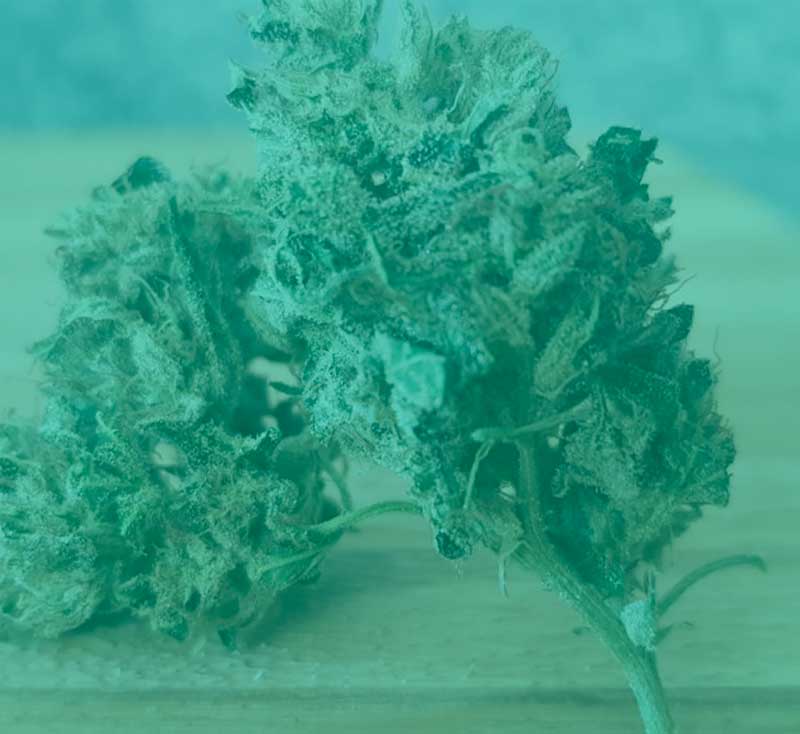
Trichomes are mainly present in cannabis flowers, although smaller amounts can also be found in leaves and stems. As the cannabis material is heated, the molecular structure of the cannabinoid acids changes. As a result, acids lose a carboxyl group (-COOH) as carbon dioxide, while retaining a hydrogen atom when decarboxylated.
22 carbon atoms, 30 hydrogen atoms and 4 oxygen atoms form the cannabinoid acids. One carbon atom and two oxygen atoms are lost in the carboxyl group (CO2). In the case of the molecular mass of THCA, for example, it drops by approximately 12% when the carboxyl group is removed, resulting in the active compound THC.
Why is decarboxylation important?
Cannabinoids interact with the endocannabinoid system (ECS), a network of cannabinoid receptors located throughout the body, including the central and peripheral nervous system, when active. A small amount of major and minor cannabinoids have a variety of physiological effects, ranging from euphoria to relaxation.
Since no heat is applied during the consumption of edible CBD, tinctures, etc., decarboxylation is one of the most important processes. This process releases the most important cannabinoids from the plant: tetrahydrocannabinol (THC) and cannabidiol CBD. Consequently, decarboxylation before consumption is not necessary for smokable CBD, as this occurs when the flame or heating element hits the plant.
However, unprocessed cannabis flower contains a large amount of cannabinoid acids that have little or no psychoactive value before they are decarboxylated. Cannabis decarboxylation effectively transforms cannabinoid acids into THC and CBD by flipping the switch that activates them.
Because the heating phase transforms tetrahydrocannabinolic acid (THCA), a non-psychoactive cannabinoid acid, into the highly intoxicating THC compound that causes euphoria, decarboxylation is critical. In addition, as cannabis degrades, cannabidiolic acid (CBDA) is converted into CBD, which has a milder effect compared to THC.
Decarboxylated CBD
When talking about decarboxylated CBD, keep in mind that THCA and CBDA cannot cross the blood-brain barrier and activate cannabinoid receptors without the crucial heat conversion. THCA, in particular, cannot target the CB1 receptor, which is responsible for the psychoactive effects.
THC and CBD are partial agonists of the endocannabinoid system. Multiple bodily functions regulated by the ECS, such as sleep, appetite, pain, inflammation, immune response and mood, can be affected by the consumption of decarboxylated CBD. When producing a small or large batch of cannabis-infused products, decarboxylated THC and CBD can be added.
People who use medical marijuana, and consume it orally or topically to alleviate their conditions, should make sure their CBD is decarboxylated. To ensure that the infused product is ready to consume after purchase, commercial manufacturers are responsible for the extraction and decarboxylation processes.
Decarboxylation is also essential because it allows active cannabis compounds to be introduced into a variety of products to meet individual consumer preferences. In fact, consumers would not be able to choose from a variety of edible, sublingual and topical options if decarboxylation were not available.
Can decarboxylation destroy CBD?
Not really, as long as the process is done correctly. Therefore,decarboxylation methods do not destroy CBD or THC. While high temperatures can burn cannabis, making it unusable as concentrates or buds, constant heat can transform raw cannabis compounds into psychoactive equivalents.
Cannabis that has gone through the decarboxylation process has a higher concentration of cannabinoids, including CBD and THC. On the other hand, we must keep in mind that decarboxylation is a critical step in the production of edibles and topicals, particularly for large-scale manufacturers of medical application products.
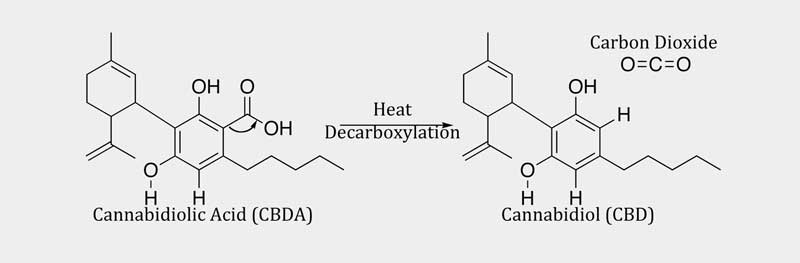
In addition, decarboxylation ensures that THC or CBD compounds are present in the edible or topical product, both of which have important medical benefits when consumed or applied to the skin.
Even if they wanted to, producers and customers cannot actually avoid decarboxylation. It’s a natural process that can be accelerated and fine-tuned with the right tools and equipment to produce butters, oils and other delicious items.
Benefits of decarboxylated CBD
Virtually all high quality CBD products have gone through the decarboxylation process. This is because when CBD is decarboxylated, this process activates it. As a result, it helps to release the full therapeutic benefits of CBD, allowing the consumer to experience them.
In short, the decarboxylation of CBD is essential to make the most of its benefits and properties.
Related articles

Métodos de extracción del CBD
Saber quin és el mètode d’extracció de CBD és el que li permet saber si l’oli de CBD que compra és de qualitat. Entreu ara!
Métodos de extracción del CBD
Sapere che cosa il metodo di estrazione CBD è ciò che ti permette di sapere se l’olio CBD si acquista è di qualità. Entra subito!
Métodos de extracción del CBD
Saber qual é o método de extração de CBD é o que lhe permite saber se o óleo de CBD que compra é de qualidade. Entra agora!
Métodos de extracción del CBD
Savoir ce que la méthode d’extraction cbd est ce qui vous permet de savoir si l’huile cbd que vous achetez est de qualité. Entrez maintenant !
Métodos de extracción del CBD
Saber cuál es el método de extracción del CBD es lo que te permite conocer si el aceite CBD que compras es de calidad. ¡Entra ahora!

Què són els flavonoides
Descobreix quins flavonoides són ➡ tipus de compostos i quins aliments els podem trobar. Lliurament en 24 hores!
Subscribe to our newsletter
Subscribe and receive a 10% discount on your purchase.
Guides

Legal notice and privacy policy



Our social networks