
Is Cannabidiol CBD non-psychoactive?
When we search for information about CBD (cannabidiol) on the Internet, the words «non-psychoactive» soon appear in the first lines of each informative article. In this way we can indicate to the reader that it is a product that, although it is a derivative of the same family of plants, its effects are different from those of marijuana with which we associate all this «recreational» and «recreational» world. even on the verge of cannabis legality. Although CBD is currently legal in Europe.
But is CBD really non-psychoactive? what does the word psychoactive mean?
What is psychoactive?
Somehow or other, the word «psychoactive», in large part sounds like a hallucination to all of us, having visions or those hippies from the 60s who were taking psychedelic drugs like LSD. However, although these hallucinations also have to do with psychoactivity, the term «psychoactive» encompasses something much more general.
A psychoactive substance is any substance that affects the functioning of the brain leading to changes in mood, consciousness, feelings and even behaviour. Caffeine, nicotine or alcohol, for example, are all legal psychoactive drugs because in one way or another they alter our brain chemicals (short and long term) and its functioning.
However, there is a fine line of confusion between what is psychoactive and what is psychotropic. Perhaps many times when we really want to express that a substance is psychotropic we mistakenly use the word psychoactive.
The term psychotropic is a rather legal categorization. This includes drugs that are psychoactive and are included in the 1971 Convention on Psychotropic Substances, an international treaty of the United Nations. This treaty controls and classifies drugs with the aim of assigning them a social dangerousness. Strange as it may sound, all the drugs we have mentioned above are psychoactive drugs, but they are not psychotropic. However, marijuana that contains THC (or rather the THC cannabinoid) is indeed classified as psychotropic, although this is changing in some countries.
Mostrando 1–8 de 170 resultadosOrdenado por precio: bajo a alto
-

Aceite Higea CBD 10%
24,95€ Añadir al carrito -
Aceite CBD 10%
24,95€ Añadir al carrito -
Aceite Higea CBD 10%
24,95€ Añadir al carrito -
Aceite CBD 10%
24,95€ Añadir al carrito -
Aceite CBD 10%
24,95€ Añadir al carrito -
Aceite Higea CBD 10%
24,95€ Añadir al carrito -
Aceite CBD 10%
24,95€ Añadir al carrito -
Aceite CBD 20%
44,95€ Añadir al carrito
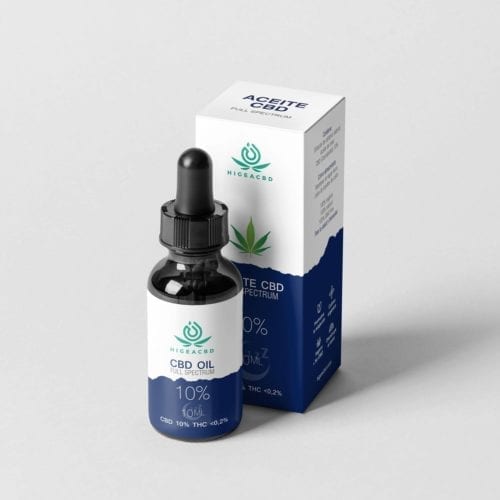


Does CBD affect our brain as a psychoactive substance?
First of all, to get it out of the way, CBD is not categorized as psychotropic. In addition, the World Health Organization supports CBD as a substance that is not harmful to the human organism and that does not create addiction or tolerance and therefore does not put society at risk.
But let’s not fall back into the trap of thinking that psychoactives are harmful or will make us hallucinate or feel «high. Of course if you consume CBD you will not lose control over your thoughts, movements or emotions (as you would with a psychotropic substance or when you are drunk or under the effects of caffeine). On the contrary, CBD will help you take much more control over most of your cognitive functions, which is precisely why it can be considered psychoactive.
Not only does cannabis have psychoactive effects
Sugar, cocoa in chocolate and other ingredients that we consume daily also have psychoactive effects capable of altering the chemicals in our nervous system. For example, cocoa alters our brain’s reward system so it is scientifically true that we feel happier after eating a chocolate bar.
Going back to CBD, its consumption supports our endocannabinoid system to naturally produce endocannabinoids that alter the secretion and availability of neurotransmitters as important to our functions as serotonin, dopamine and glutamate. In particular, CBD is able to increase levels of the endocannabinoid anandamide. Anandamide (AEA) is an endogenous (naturally occurring) cannabinoid that was discovered in the 1990s. It was baptized as anandamide from the Sanskrit «ananda» which means happiness, joy. This molecule is associated with the feeling of relaxation and its relationship with biological functions such as pain, sleep and hunger is being studied.
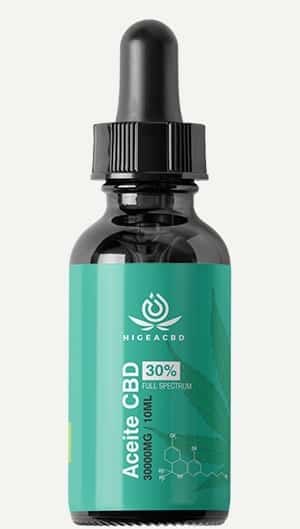
Mental effects of CBD

Chemical changes that occur when consuming CBD
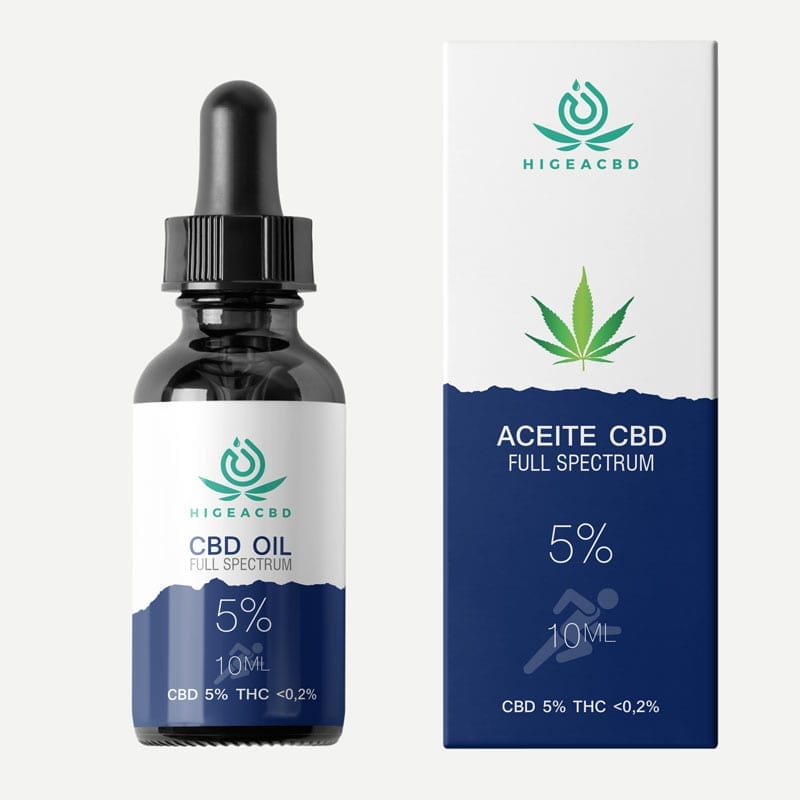
CBD, despite being psychoactive, does not have serious side effects. At very large doses (greater than a whole bottle of 10% CBD) it can cause drowsiness and headaches, but these symptoms are automatically eliminated as soon as the dose is reduced.
Related articles

How to feel the effects of CBD faster?
CBD usually takes effect half an hour after contact, is there a way to feel the effects more quickly? Enters!
¿Cómo sentir los efectos del CBD más rápido?
El CBD suele tener efecto media hora después de entrar en contacto, ¿existe una manera de sentir los efectos más rápidamente? ¡Entra!

Un nuovo rapporto dell’OMS dice che il CBD non crea dipendenza né è pericoloso
L’Organizzazione Mondiale della Sanità ha pubblicato un rapporto in cui spiega che il CBD non causa dipendenza, né altera i sensi. Entra!
Neuer WHO-Bericht sagt, dass CBD nicht süchtig macht oder gefährlich ist
Die Weltgesundheitsorganisation hat einen Bericht veröffentlicht, in dem erklärt wird, dass CBD weder süchtig macht, noch die Sinne verändert. Tritt ein!
Un nouveau rapport de l’OMS affirme que le CBD ne crée pas de dépendance et n’est pas dangereux
L’Organisation mondiale de la santé a publié un rapport expliquant que le CBD ne provoque pas de dépendance et n’altère pas les sens. Entre!
New WHO report says CBD not addictive or dangerous
The World Health Organization has published a report explaining that CBD does not cause addiction, nor does it alter the senses. Enters!
Subscribe to our newsletter
Subscribe and receive a 10% discount on your purchase.
Guides

Legal notice and privacy policy



Our social networks