
Cannabicyclol, another cannabinoid to study
Cannabicyclol (CBL) is a phytocannabinoid that occurs naturally in the cannabis plant just like CBD. However, unlike cannabidiol, CBL has not been thoroughly researched. Therefore, its potential in medicine is largely unknown.
Most of the current research on CBL has focused on the structure and biosynthesis of the molecule. Unfortunately, very few studies that have analyzed its use in specific medical applications have not shown promising results.
In other words, it is one of the least studied phytocannabinoids in the cannabis plant. In fact, there is still no biomedical research on CBL or its medical applications at this time. Rather, scientists have recognized CBL as a component of the cannabis plant and its biosynthesis, but have not really looked at how it affects humans.
Mostrando 1–8 de 170 resultadosOrdenado por precio: bajo a alto
-

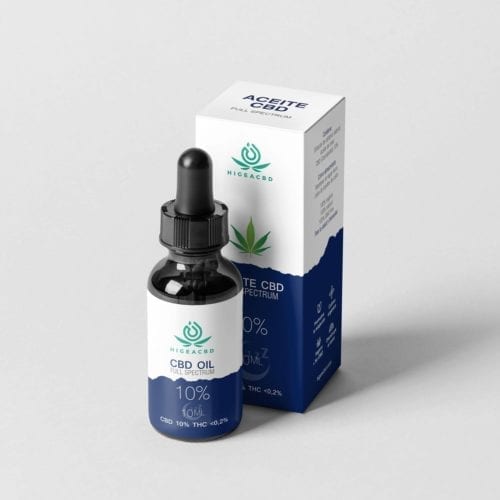
Aceite Higea CBD 10%
24,95€ Añadir al carrito -
Aceite CBD 10%
24,95€ Añadir al carrito -
Aceite Higea CBD 10%
24,95€ Añadir al carrito -
Aceite CBD 10%
24,95€ Añadir al carrito -
Aceite Higea CBD 10%
24,95€ Añadir al carrito -
Aceite CBD 10%
24,95€ Añadir al carrito -
Aceite CBD 10%
24,95€ Añadir al carrito -
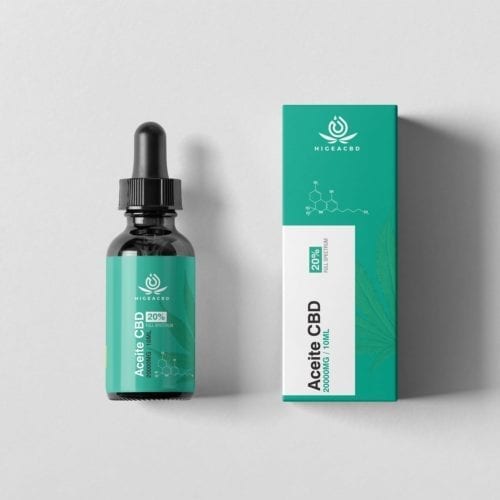
Hygea CBD Oil 20%.
44,95€ Añadir al carrito
What is cannabicyclol?
Cannabicyclol is intriguing from a molecular perspective because it has no double bonds in its basic structure. The psychoactive and intoxicating properties of 9-THC and 8-THC are due to the double bonds, which are present in both molecules. Since CBL lacks a double bond, it is believed to be non-toxic.
As mentioned at the beginning, cannabicyclol is a compound about which researchers know very little beyond its molecular structure. It is known to be found in much lower concentrations in nature, compared to other minor cannabinoids such as CBN, CBG and CBC. Because of this, it is often just a footnote in terms of cannabinoid research.
Very rare cannabinoids, such as cannabicyclol, may become more manageable for research. This is mainly due to the increasing focus on minor cannabinoids in recent years. Also to the more sophisticated extraction techniques currently in use.
What is certain is that CBL, as a non-toxic cannabinoid, most likely has therapeutic potential if enough interest is generated to develop preliminary research.
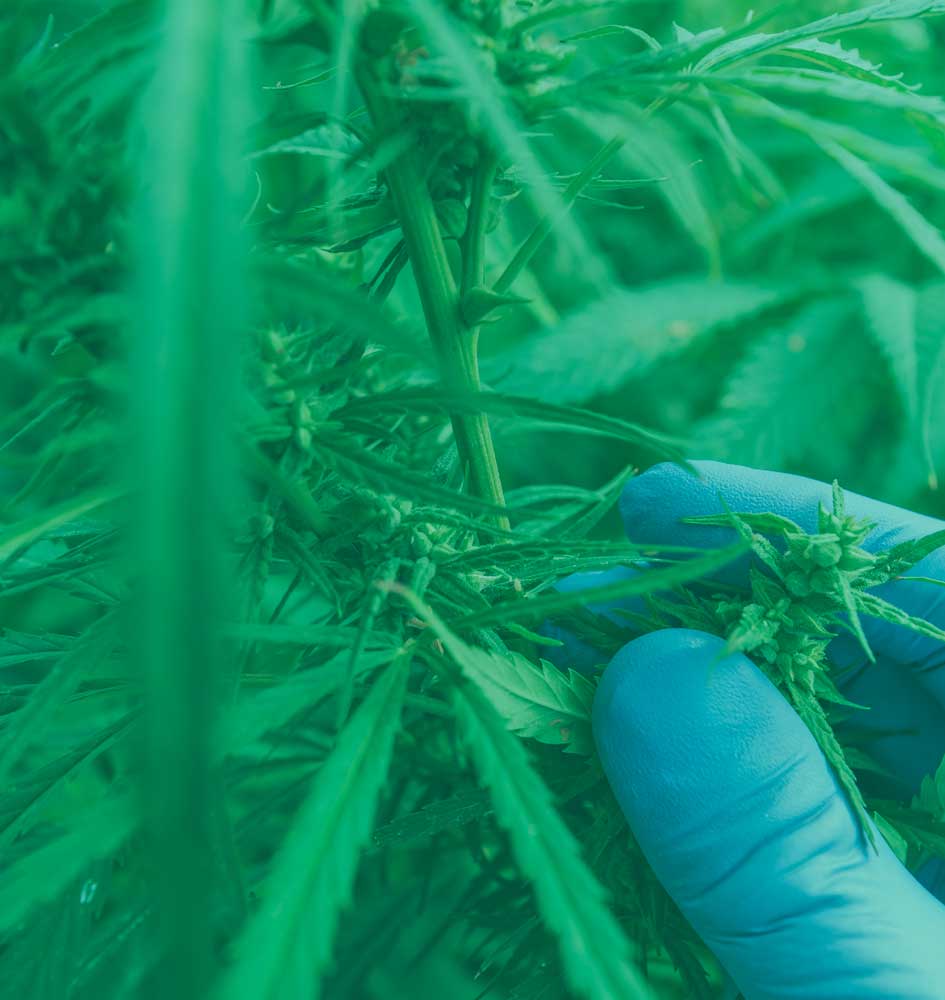
Structure and properties of Cannabicyclol
But while the molecular formula of cannabicyclol is similar to that of other cannabinoids, the structure of the atoms in each of these molecules varies slightly. As a result, the results are substantially different.
An important thing to note is that the absence of a double bond in the CBL molecule makes it different from THC. Also, because it lacks a double bond and doesn’t know if it binds to cannabinoid receptors, no one really believes that CBL has psychoactive potential.
It is true that cannabicyclol is structurally similar to other non-intoxicating cannabinoids. This despite the lack of studies on its pharmacological applications. This means that CBL can affect the endocannabinoid system in the same way that other cannabinoids such as CBD, CBN and CBG do.
So far it is believed that CBL has potential as a minor cannabinoid in the form of an entourage effect. This hypothesis, popularized by Ethan B. Russo, explains a synergistic benefit of the many compounds found in cannabis. Botanical medicines were always more effective than their isolated components, according to this theory.
In fact, full-spectrum cannabis products are gaining popularity due to evidence that they are more effective than isolated cannabinoids. Through further analysis of the entourage effect, the benefits of CBL may become more apparent.
Cannabicyclol and its Medicinal Potential
Cannabicyclol was discovered in a sample of cannabis dating back to 2700 BC. This sample was found in a Chinese tomb. The two largest fractions in this study were the cannabinoids CBN and CBL. In addition, THC levels were undetectable, while THC levels in CBD were much lower. However, the presence of CBN and other metabolites indicates that CBD once had high levels of THC.
The medicinal potential of CBL is largely unknown. Along with many other cannabinoids, cannabicyclol has been studied for its ability to inhibit the development of prostaglandins. Prostaglandins are compounds that have hormone-like effects, including regulation of smooth muscle contractions.
On the other hand, cannabicyclol has been found to have the lowest biological activity of all the compounds studied. In research on rabbits published in 1976, it was found that taking 1 mg of CBL per kilogram had no effect. However, when the dose was 8 mg/kg, it caused convulsions and death.
This result should be taken with reservation, as CBL was only administered to two rabbits. Moreover, this effect was only seen in one rabbit. Therefore, the need for more extensive CBL research is evident.
What is Cannabicyclol used for?
It is unclear what CBL is for at this time. Both CBD and THC continue to receive most of the research attention. As indicated above, CBL is one of the few cannabinoids that does not inhibit prostaglandin activity.
An interesting feature of prostaglandins is that they are biochemicals that stimulate responses to pain, inflammation and fever. At the same time they have the ability to protect the lining of the stomach and intestines from damage caused by acids. Therefore, prostaglandin inhibitors help relieve pain, inflammation, and fever.
Unfortunately cannabicyclol easily earns a bad reputation as a cannabinoid. This is because it is normally contained in oxidized and decomposing cannabis, so it does not produce any psychoactive results.
However, we should not be quick to dismiss it, as scientists are constantly revealing the medicinal properties and molecular bounty that cannabis, and its cannabonoids, produce.
Related articles

Hanf-Parfüm
Das Cannabis-Parfüm hat subtilere Nuancen und kombiniert blumige, kiefernartige und erdige Noten mit einem Hauch des charakteristischen Aromas Enter!

Papier de chanvre
L’art de fabriquer du papier à partir de fibres de chanvre a été inventé en Chine au 1er siècle avant J.-C. et était gardé comme un secret d’État Enter !
Hemp paper
The art of making paper from hemp fibers was invented in China in the 1st century B.C. and was kept as a state secret Enter!
Parfum de chanvre
Le parfum Cannabis présente des nuances plus subtiles, combinant des notes florales, piquantes et terreuses avec des touches de l’arôme caractéristique Enter !
Papel de cânhamo
A arte de fazer papel a partir de fibras de cânhamo foi inventada na China no século I a.C. e foi mantida como um segredo de Estado Enter!
Hemp perfume
Cannabis perfume has more subtle nuances, which combine floral, pine and earthy notes with hints of the characteristic aroma.
Subscribe to our newsletter
Subscribe and receive a 10% discount on your purchase.
Guides

Legal notice and privacy policy



Our social networks